
Decorative polymer films are engineered surface materials (typically gravure printed and laminated) used to add color, pattern, texture, and functional performance to finished products. Applied to substrates across bath and spa surrounds, flooring systems, architectural panels, kitchen and furniture components, and pool and outdoor environments, these films enable manufacturers to achieve the look of stone, wood, tile, metal, or custom graphics while meeting durability, consistency, and production requirements.



Today, decorative films are entering a new phase shaped by intentional design, evolving material expectations, and real-world manufacturing constraints. Across end markets, customers are seeking finishes that feel more natural, more meaningful, and more thoughtfully made—without sacrificing performance, availability, or cost control. At the same time, manufacturers are navigating economic uncertainty, supply chain pressure, and rising expectations around sustainability.
This paper explores the design, technical, and market trends shaping decorative film today, drawing on firsthand insights from design and technical leaders working closely with OEMs across multiple industries. It highlights how aesthetics, material innovation, and manufacturing realities are converging — and what that means for the next generation of decorative film solutions.
Goal: Provide insight into emerging design, technical, and market trends in decorative film
Across multiple markets, a consistent shift is emerging: decorative film designs are moving away from overly polished, engineered looks toward surfaces that feel organic, tactile, and grounded in nature. Rather than stone visuals that feel artificial or overly engineered, many customers are gravitating toward finishes that appear more natural, tactile, and authentic.
Design teams note that this is not simply a color or pattern trend—it reflects a deeper desire for spaces that feel calming, authentic, and sensory. Post-pandemic design behavior accelerated this shift, as homeowners and commercial designers alike sought environments that offer relief from highly digital, screen-driven daily life. Decorative films are now expected to contribute to that sense of balance.
This evolution can be seen across applications: – Bath and spa environments favor surfaces that evoke natural stone, weathered textures, and understated elegance. Flooring and architectural panels are trending toward realistic materials with subtle variation, avoiding repetition that feels artificial. – Kitchen and furniture components increasingly incorporate finishes that appear crafted rather than mass-produced.
The underlying theme is realism—not perfection.
Slight visual variation, depth, and texture are no longer flaws; they are signals of quality.
Another defining trend is the move toward intentional purchasing. End users are less interested in simply following what is popular and more focused on selecting materials that resonate personally or tell a story. This has led to increased demand for designs that feel bespoke, curated, or inspired by craftsmanship.
Rather than minimalism or maximalism dominating outright, designers are blending influences. Clean, restrained spaces still exist, but they are increasingly complemented by bold accents, vintage-inspired patterns, or artisanal details.
References to heritage motifs, classic textures, and reinterpreted historical styles are appearing across decorative film applications.
This shift challenges film manufacturers to support: – Smaller runs or customized aesthetics – Designs that stand out without feeling trendy – Visuals that feel timeless rather than disposable.
For OEMs, decorative film selections become part of a broader design narrative rather than a purely functional surface.



As digital tools become more prevalent in design and manufacturing, there is a parallel resurgence of appreciation for human-led creativity. While technologies such as AI can assist with ideation, trend analysis, and early concept exploration, they are not replacing the value of experienced designers who understand materials, processes, and end-use realities.
Design teams report experimenting with AI-generated concepts as a way to explore combinations of popular visual elements. While these concepts can be compelling, they often serve as starting points rather than finished solutions.
“What ultimately resonates most strongly in the market are designs refined by human judgment”
—where aesthetics, manufacturability, and application performance are carefully balanced. This emphasis on craftsmanship reflects a broader cultural pushback against overly automated, impersonal products. Decorative films that feel considered, intentional, and technically sound reinforce trust in the final product.
Sustainability is no longer treated as a standalone feature; it is increasingly expected to be built into material choices and processes. Designers and buyers want products that align with environmental responsibility without requiring added complexity or trade-offs in appearance.
From a design perspective, this means sustainability must coexist seamlessly with aesthetics. Natural-looking finishes often reinforce this expectation, as they visually align with ideas of longevity and responsible material use. From a material standpoint, considerations such as recyclability, reuse, and waste reduction are becoming part of early development conversations rather than afterthoughts.
Importantly, customers value solutions that make sustainable choices easy. When responsible material decisions are integrated into the product itself, buyers can feel confident in their selection without needing to navigate additional steps or compromises.
While there is clear interest in new finishes, textures, and visual effects, market conditions are influencing how quickly innovations are adopted. Economic uncertainty and cost sensitivity have made many customers more cautious, prioritizing proven performance and value over experimental features.
As a result, much of today’s innovation happens internally—through exploration, testing, and refinement—so that when the market is ready, solutions are viable, scalable, and cost-conscious. Areas of ongoing development include: – Combining multiple surface finishes within a single design to create depth and contrast – Exploring advanced textural alignment between printed visuals and surface feel – Evaluating novel visual effects that enhance experience without overwhelming the design.
These efforts focus on ensuring that innovation enhances usability and durability, not just appearance.
Beyond design, market expectations around speed and reliability are shaping decorative film development. Long lead times and supply chain disruptions have made availability a critical factor in material selection. Buyers increasingly favor products that can be sourced quickly and consistently, especially for renovation-driven markets.
This places pressure on manufacturers to align creative ambition with production efficiency. Designs must not only look compelling but also translate reliably through printing, lamination, and finishing processes. Achieving this requires close collaboration between design, technical, and manufacturing teams—ensuring that patterns remain visually consistent, dimensionally stable, and repeatable at scale.
Some manufacturers are addressing these challenges by increasing control over material inputs and processes, enabling tighter quality standards and faster response times without compromising performance.

One recurring insight from technical teams is that decorative film design today is as much about engineering as it is about visuals. Stretching, lamination, color behavior, and substrate interaction all influence how a design performs in real-world applications.
Successful decorative films account for these factors from the earliest design stages.
“Pattern scale, variation, and geometry are often intentionally engineered to maintain visual integrity after processing.”
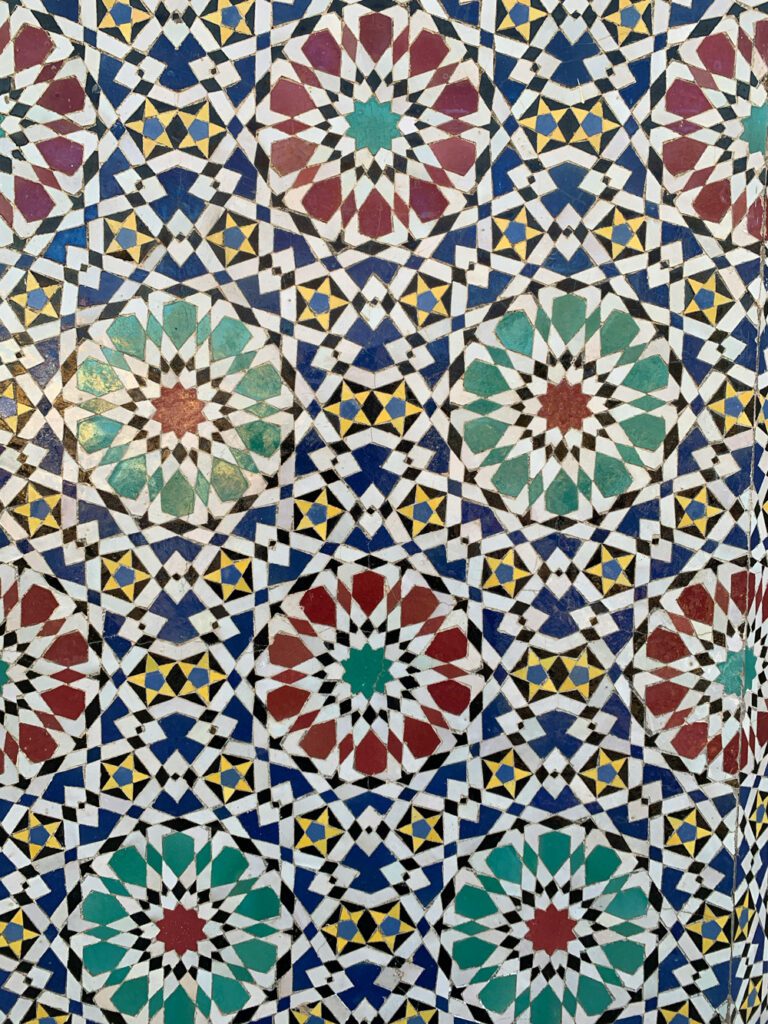
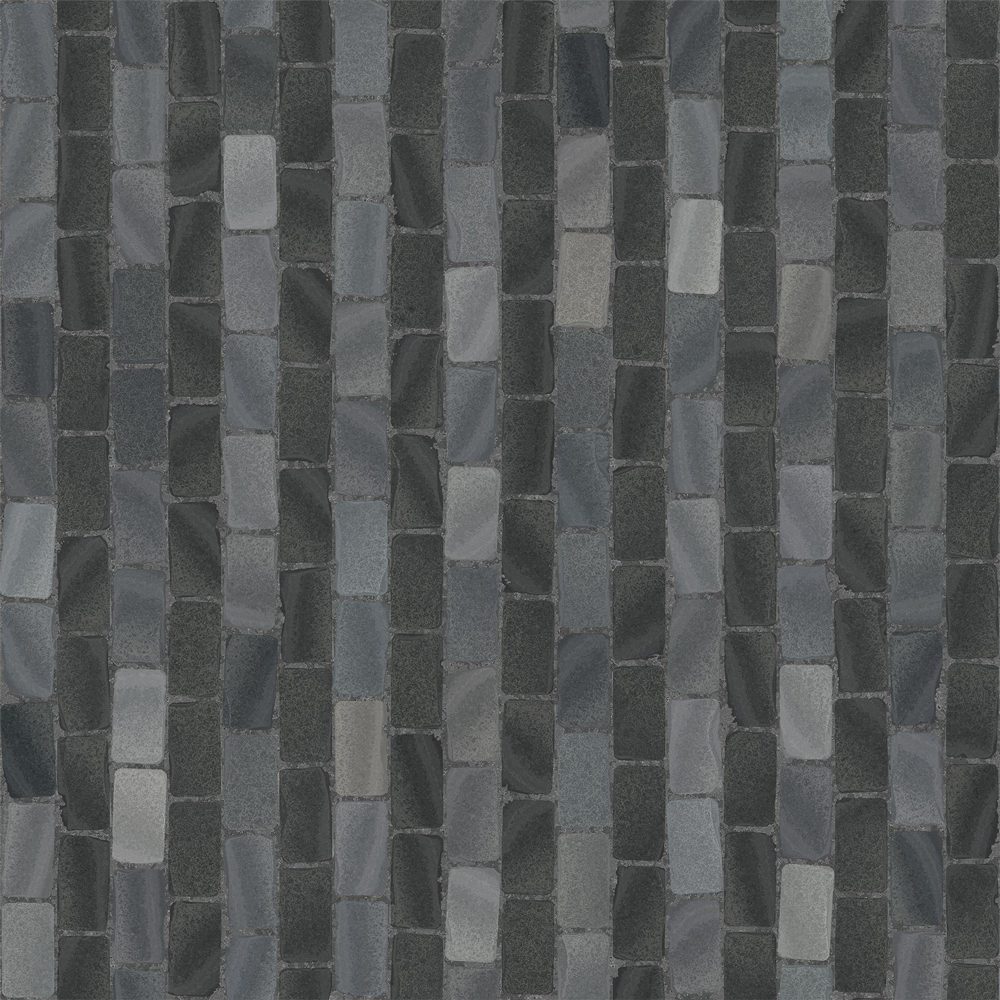
This functional approach allows OEMs to achieve complex looks—such as tile, stone, or mosaic effects—while maintaining consistency across installations.
By designing with manufacturing realities in mind, decorative film suppliers can help customers avoid costly revisions and ensure that the final product meets both aesthetic and performance expectations.
The next chapter of decorative film innovation will be defined by convergence. Design trends, material responsibility, manufacturing precision, and market realities are no longer separate considerations—they are interconnected.
For designers, engineers, and OEMs, the opportunity lies in partnership—working closely with film manufacturers who understand both creative intent and technical execution. As expectations continue to evolve, decorative film will play an increasingly strategic role in shaping the spaces people live, work, and relax in.
• Embrace natural, tactile aesthetics without sacrificing durability
• Balance creative exploration with human-led refinement
• Integrate sustainability as a baseline expectation
• Deliver consistency, speed, and reliability in a cautious market
We use cookies to improve your experience on our site. By using our site, you consent to cookies.
Manage your cookie preferences below:
Essential cookies enable basic functions and are necessary for the proper function of the website.
These cookies are needed for adding comments on this website.
Google reCAPTCHA helps protect websites from spam and abuse by verifying user interactions through challenges.
Google Tag Manager simplifies the management of marketing tags on your website without code changes.
These cookies are used for managing login functionality on this website.
Statistics cookies collect information anonymously. This information helps us understand how visitors use our website.
Google Analytics is a powerful tool that tracks and analyzes website traffic for informed marketing decisions.
Service URL: policies.google.com (opens in a new window)
You can find more information in our Cookie Policy and Privacy Policy.