Why We Invest in Our Workforce — and Why It Matters for Your Supply Chain
Why We Invest in Our Workforce — and Why It Matters for Your Supply Chain
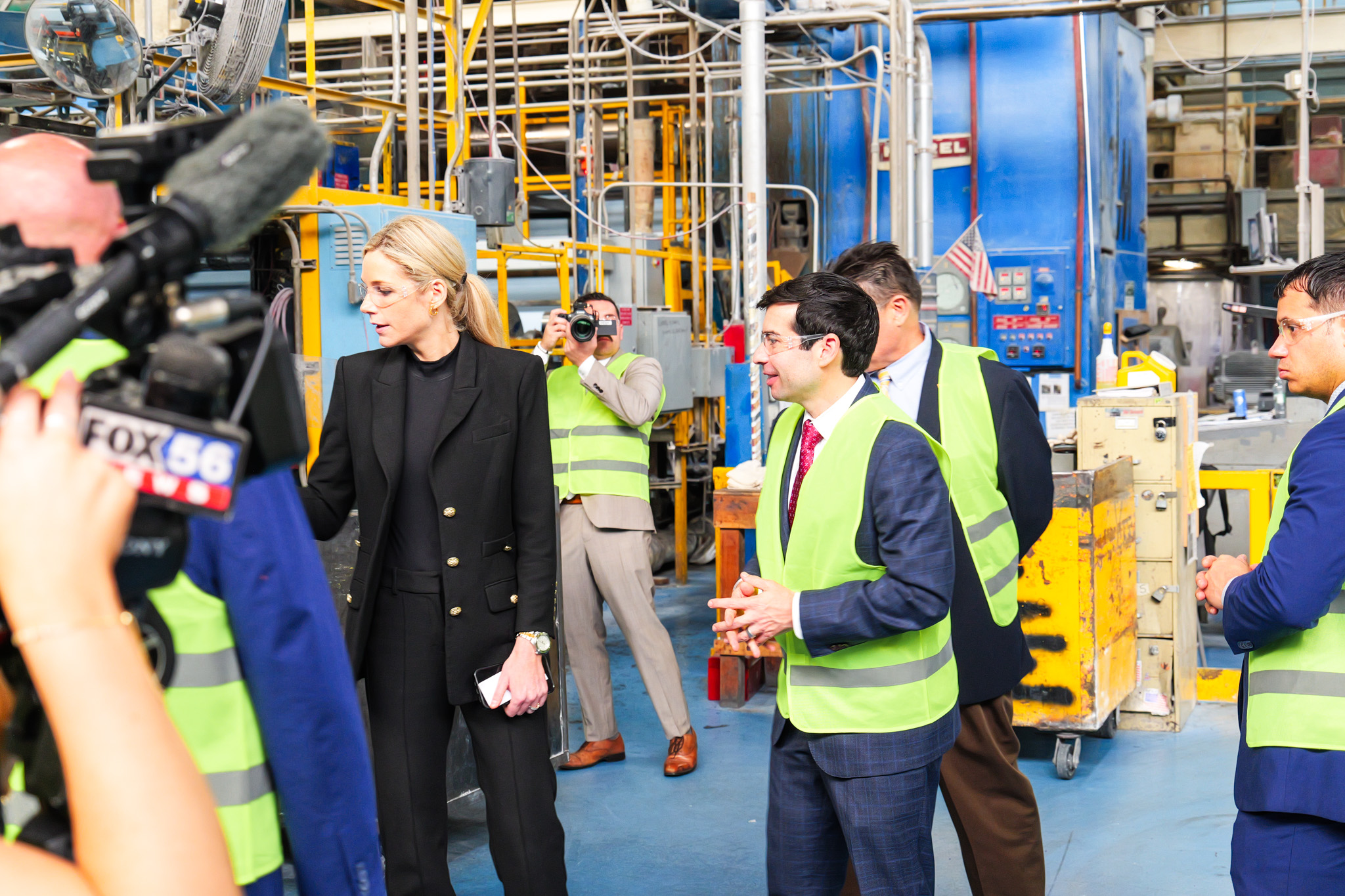
On June 11, 2026, Acting U.S. Secretary of Labor Keith Sonderling traveled from Washington D.C. to Mountain Top, Pennsylvania. He did not come to tour a Fortune 500 headquarters or a newly built facility. He came to see how a 200-person polymer film manufacturer had built something the federal government considers worth studying: a workforce development model that is changing what American manufacturing can look like.
That visit meant something to us. But more importantly, it should mean something to you as a customer.
The problem every manufacturer faces
The skilled trades pipeline in American manufacturing has been shrinking for decades. Companies that depend on offshore sourcing have felt it differently, through tariff exposure, quality variance, and lead times measured in weeks rather than days. But domestic manufacturers face their own version of the same challenge: finding, training, and retaining the skilled people who keep production consistent and reliable.
When a key operator leaves, production slips. When institutional knowledge walks out the door, quality suffers. When a manufacturer cannot staff its lines, your order is the one that gets delayed.
We decided a long time ago that the answer was not to accept that reality. It was to build our own pipeline.
What we built
Crestwood Creators is a fully employer-funded talent pipeline created and operated entirely by i2M. We identified high-potential students at Crestwood High School, one mile from our plant, and built a direct, hands-on path into skilled manufacturing careers. i2M designs the curriculum, funds the program in full, and hires its graduates. No tuition. No debt. A skilled career on day one.
That program launched in 2025. Twelve students have come through it so far.
We also partnered with Luzerne County Community College to connect higher education directly to manufacturing careers through a registered apprenticeship program, with another twelve active apprentices building the technical skills our operation depends on.
And because we know that good people sometimes cannot take good jobs due to circumstances that have nothing to do with their ability, we built childcare and transportation programs to remove those barriers entirely.
What this means for you
Every one of these programs exists for one reason: to ensure that the people building your product today are still here for your next order, and the order after that.
Workforce stability is supply chain stability. When you source from a manufacturer that invests in its people the way we do, you are not just buying film. You are buying the consistency that comes from a team that knows your spec, understands your quality requirements, and has been trained specifically to meet them.
That is what vertical integration really means. Not just controlling the process from compound to finished film, but controlling the human side of the operation with the same intentionality we bring to the technical side.
What the Secretary saw
Secretary Sonderling put it this way after his visit:
“You see a business that has been here for a long time using cutting-edge technology and training the local workforce. It’s exactly what I wanted to see. A partnership between high schools, community colleges, and industry all working together to make sure we could build these American-made products made by American workers.”
We are proud of that recognition. But we are prouder of the team that earned it and the customers who have trusted us long enough to see what that investment delivers.
If you are evaluating domestic sourcing options, or reassessing a supply chain that has been exposed to tariff risk or offshore disruption, we would welcome the conversation.

Related Posts
Choosing Between PETg and Polycarbonate (PC) Film: A Practical Guide